
India is facing a growing stray dog problem, with rapidly rising bite and rabies cases. Nationwide, official data show dog bite incidents have surged post-pandemic – from roughly 17 lakh (1.7 million) in 2021 to 37.17 lakh (3.7 million) in 2024 economictimes.indiatimes.com, ndtv.com (over 10,000 bites per day in 2024). By contrast, reported rabies deaths remain low (just 54 suspected human deaths in 2024 ndtv.com), though WHO models suggest the true toll could be 18,000–20,000 per year economictimes.indiatimes.com. Children under 15 are especially vulnerable; together India bears roughly 36% of the world’s rabies deaths economictimes.indiatimes.com. The post-Covid “bounce back” of mobility has driven bite cases higher: lockdowns saw dips (75.7 lakh in 2018 down to 17 lakh in 2021), but cases have soared again to over 37 lakh in 2024 economictimes.indiatimes.com.
- National statistics (2020–2024): Dog bites reported nationwide have risen sharply. The government reported ~37.17 lakh bite incidents and 54 suspected rabies deaths in 2024 ndtv.com. Bite cases are up from ~17 lakh in 2021 and ~21.9 lakh in 2022 economictimes.indiatimes.com. States with large bite tallies include Maharashtra (~13.5 lakh cases in 2022–24), Tamil Nadu (~12.9 lakh) and Gujarat (~8.4 lakh) economictimes.indiatimes.com. Census figures (2019) show Uttar Pradesh had the most street dogs (20.6 lakh), followed by Odisha (17.3 lakh), Maharashtra and Rajasthan (~12.8 lakh each), and Karnataka (11.4 lakh) economictimes.indiatimes.com.
- Rabies burden: Official Indian figures vastly underreport rabies. The government logged only 21 human rabies deaths in 2022 economictimes.indiatimes.com, but WHO data indicate hundreds per year (305 in 2022) economictimes.indiatimes.com. WHO scientists estimate India truly sees 18,000–20,000 rabies deaths annually economictimes.indiatimes.com. (Nearly all are from dog bites.) Most victims are children; India accounts for well over a third of global rabies fatalities economictimes.indiatimes.com. These gaps highlight challenges in surveillance and post-bite care.
Delhi’s Stray Dog Challenge
Delhi – and the wider NCR – exemplify the crisis. The city’s stray population has ballooned: a 2012 census put it at ~60,000, but officials now estimate nearly 1 million strays theguardian.com. By mid-2025, Delhi had recorded 35,198 animal bite incidents and 49 rabies cases in just six months theguardian.com. In full-year 2024, the Municipal Corporation of Delhi (MCD) saw 68,090 dog bite cases economictimes.indiatimes.com. These alarming numbers prompted India’s Supreme Court in August 2025 to order the removal of all stray dogs from Delhi-NCR into shelters theguardian.comtheguardian.com.

However, Delhi has no government-run dog shelters. Former minister Maneka Gandhi noted “there is not a single government-run shelter in Delhi” to house the hundreds of thousands of strays timesofindia.indiatimes.com. In nearby NCR cities the situation is equally dire: Gurgaon (50,000 dogs) has only 2 tiny shelters (50-dog capacity each) economictimes.indiatimes.com, and Noida (est. 150,000 strays) has just four small private shelters economictimes.indiatimes.com. Experts estimate housing Delhi’s strays could cost ₹10,000 crore (about $1.2 billion) – requiring 1,000–2,000 new facilities, each costing ₹4–5 crore to build timesofindia.indiatimes.com, timesofindia.indiatimes.com. In other words, acquiring vast land parcels and funding massive infrastructure would be needed, potentially driving up real estate prices and straining municipal budgets timesofindia.indiatimes.com, timesofindia.indiatimes.com.
Shelter Shortage and Policy Debate
India’s existing policy (the 2023 ABC – Animal Birth Control – Rules) focuses on sterilizing and vaccinating strays, then returning them to their territory ndtv.com. This approach has successfully sterilized tens of thousands of dogs – for example, Delhi sterilized ~65,000 strays between January and June 2025 economictimes.indiatimes.com. Supporters argue this reduces breeding and disease without inhumane relocation. Critics counter that the ABC rule of returning sterilized dogs is “absurd” given the crisis theguardian.com, and say that large stray populations still roam.
The shelter debate pits public safety advocates against animal welfare groups. Victims’ families and some officials stress that “children must feel safe”, noting fatal bite cases in recent years. Conversely, NGOs warn the court’s shelter directive is “impractical and inhumane” theguardian.com. PETA India stated it would be “infeasible to build and staff enough shelters for hundreds of thousands of dogs” and the cost would be enormous theguardian.com. A federation of animal protection organizations called instead for expanded sterilization, vaccination and public awareness campaigns theguardian.com. One economist of the issue summarized: “Experts advocate strengthening existing sterilization programmes as a more practical and humane solution” economictimes.indiatimes.com, given the logistical challenges of mass relocation.
Stray Dogs in Research – Myth or Concern?
Some observers fear that captured strays might be misused in laboratories. In India, experimentation on animals is regulated by the CPCSEA, which generally requires laboratories to source dogs from registered breeders, not the street. However, a recent CPCSEA proposal did recommend using stray dogs in new vaccine trials auroushealthcare.wordpress.com. This sparked protests from animal rights groups: PETA India warned that sanctioning strays for research would “open floodgates” to cruelty and “incredible suffering” auroushealthcare.wordpress.com. In fact, global trends push away from animal testing altogether. As of now, no policy mandates using captured strays for labs – and any such move would conflict with India’s laws against unnecessary cruelty auroushealthcare.wordpress.com.
Public Safety and Dog Behavior
Public concern is also high over accidents caused by dogs on the roads. News reports have documented several serious incidents: e.g. in May 2025 a 16-year-old in Bhopal was critically injured when his bike skidded to avoid a pack of stray dogs timesofindia.indiatimes.com. Similarly, a motorcyclist in Mohali suffered grievous injuries in Sep 2024 after dogs chased him, causing a crash timesofindia.indiatimes.com. Such stories fuel fear of roaming packs. Experts note, however, that dogs often chase vehicles out of instinct, territorial defense, or fear – for instance if they have seen dogs hurt by speeding cars. Many animal behaviourists advocate education and training for drivers (e.g. slowing down or stopping when dogs are nearby) and non-lethal control of dogs. Importantly, mass sterilization and vaccination (the ABC program) can reduce stray aggression over time. Delhi’s authorities report aggressive ABC drives – sterilizing tens of thousands of dogs each year economictimes.indiatimes.com. In parallel, public awareness (safe driving in dog-prone areas, controlled feeding) can help break the cycle of fear.
Regional Snapshots
While the capital’s crisis is most visible, other states are also struggling. Karnataka reported about 3.6 lakh dog bite cases and 42 rabies deaths in 2024 alone economictimes.indiatimes.com. Kerala saw a sharp rise recently: over 200,000 bite cases and 21 human deaths in 2023 (almost double the previous year) hindustantimes.com. Maharashtra, Tamil Nadu and Gujarat similarly report very high bite totals (each in the range of several lakhs over 2022–24) economictimes.indiatimes.com. Thus, while Delhi-NCR is under the spotlight, the stray dog issue spans much of India.
Conclusion
India’s stray dog challenge involves urgent public health issues (dog bites and rabies) and complex animal welfare dilemmas. The data show a clear rise in dog bite incidents nationwide, with Delhi as a particularly acute example ndtv.comtheguardian.com. Shelters are scarce and costly, leading to a heated debate: mass relocation to pounds versus strengthening sterilization/vaccination programs economictimes.indiatimes.com, theguardian.com. Moving forward, a balanced strategy is needed. The government aims to eliminate dog-mediated rabies by 2030; meeting that goal will require rigorous vaccination campaigns, continued ABC efforts, and better street dog management alongside responsible community participation economictimes.indiatimes.com, theguardian.com. By combining humane sterilization, targeted shelter care, and public awareness, India can protect its citizens (especially children) while also respecting animal welfare and avoiding unintended harms in this complex crisis.
Check Out Other Posts:-

Vegetarian Diet: A Sustainable Path to Animal Welfare in India
Vegetarian diet in India is renowned for its large vegetarian population, but meat consumption is ri…

Vantara Case Sparks Debate: Should Government Lead Wildlife Welfare Projects Across India?
Supreme Court Verdict Brings Spotlight on Vantara and Vantara Government Project The Supreme Court o…

Genetic Engineering for Wildlife: Reviving Extinct Species in India
Introduction: The Promise of De-Extinction Imagine hearing a wolf’s howl never heard for 12,000 year…

Punjab Floods 2025: Latest Impact, Causes & Urgent Lessons
Introduction In August 2025, Punjab faced its most devastating floods in nearly four decades, as ove…
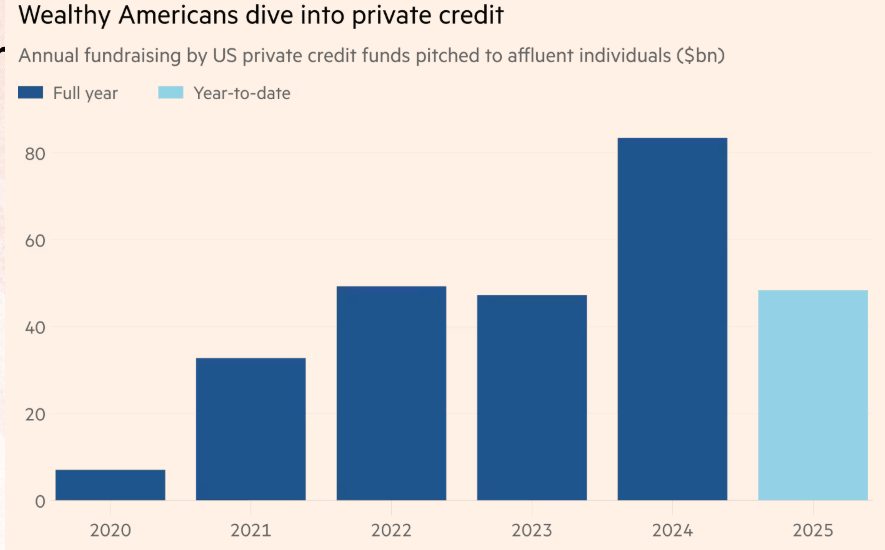
Wealthy Americans Pump Record Sums Into Private Credit Funds – A New Era of Alternative Investing
Introduction: The Silent Shift in American Wealth For decades, wealthy Americans poured money into s…

India Blocks Azerbaijan’s Bid for Full Membership in the SCO: What It Means for Regional Politics
Introduction: A Diplomatic Roadblock The Shanghai Cooperation Organisation (SCO)—a powerful Eurasian…








Can you be more specific about the content of your article? After reading it, I still have some doubts. Hope you can help me.
Thanks for sharing. I read many of your blog posts, cool, your blog is very good.
Your point of view caught my eye and was very interesting. Thanks. I have a question for you.
Thank you for your sharing. I am worried that I lack creative ideas. It is your article that makes me full of hope. Thank you. But, I have a question, can you help me?
Your article helped me a lot, is there any more related content? Thanks! https://www.binance.info/sl/register?ref=GQ1JXNRE
I don’t think the title of your article matches the content lol. Just kidding, mainly because I had some doubts after reading the article.
Your article helped me a lot, is there any more related content? Thanks!
Your point of view caught my eye and was very interesting. Thanks. I have a question for you.