
Introduction: The Promise of De-Extinction
Imagine hearing a wolf’s howl never heard for 12,000 years. In 2024, biotech firm Colossal Biosciences announced that three dire wolf pups—namesake of Game of Thrones lore—had been brought back via CRISPR-based gene editing(sify.com). This “de-extinction level event”(sify.com) shows the astonishing potential of genetic engineering. By reconstructing a dire wolf genome from ancient DNA and editing gray wolf embryos, scientists created animals that look and behave like their long-lost Ice Age cousins(sify.com).
A pair of dire wolf pups born through CRISPR gene-editing – the first howl of an extinct species in over 10,000 years(sify.com).
Beyond blockbuster stories, gene editing is now being proposed as a tool for conservation worldwide. However, while these breakthroughs excite animal lovers and researchers, they also raise questions: Who should lead these efforts? How do they serve India’s people and wildlife? In my view, reviving species is profoundly positive for animal welfare and science, but it should be done responsibly. This isn’t just a biotech business – it’s a national concern. The government, funded by taxpayer revenue, should direct and support such initiatives. A coordinated national de-extinction initiative (akin to extending existing conservation programs) would ensure benefits reach the public good.

Global Advances in Gene-Driven Revival
Scientists are already making headlines with revived megafauna. Colossal Biosciences and others are targeting species like the woolly mammoth, dodo, and Tasmanian tiger. One milestone was engineering “woolly mice” carrying cold-adapted mammoth genes(indiatoday.in). Over a dozen mice were born with dense, insulating fur by inserting mammoth DNA into mouse embryos(indiatoday.in). Such proof-of-concept shows that we can introduce traits of extinct animals into living relatives.
Ben Lamm, CEO of Colossal, argues these projects accelerate conservation: ecosystems lose biodiversity too fast for traditional methods alone(indiatoday.in). Chief Science Officer Beth Shapiro concurs: “The same technological advances that allow us to introduce mammoth genes into elephant genomes can be harnessed to rescue species on the brink of extinction”(phys.org). Indeed, experts believe gene editing could restore lost genetic diversity in endangered species by borrowing DNA from museum specimens or hardy relatives(phys.org).
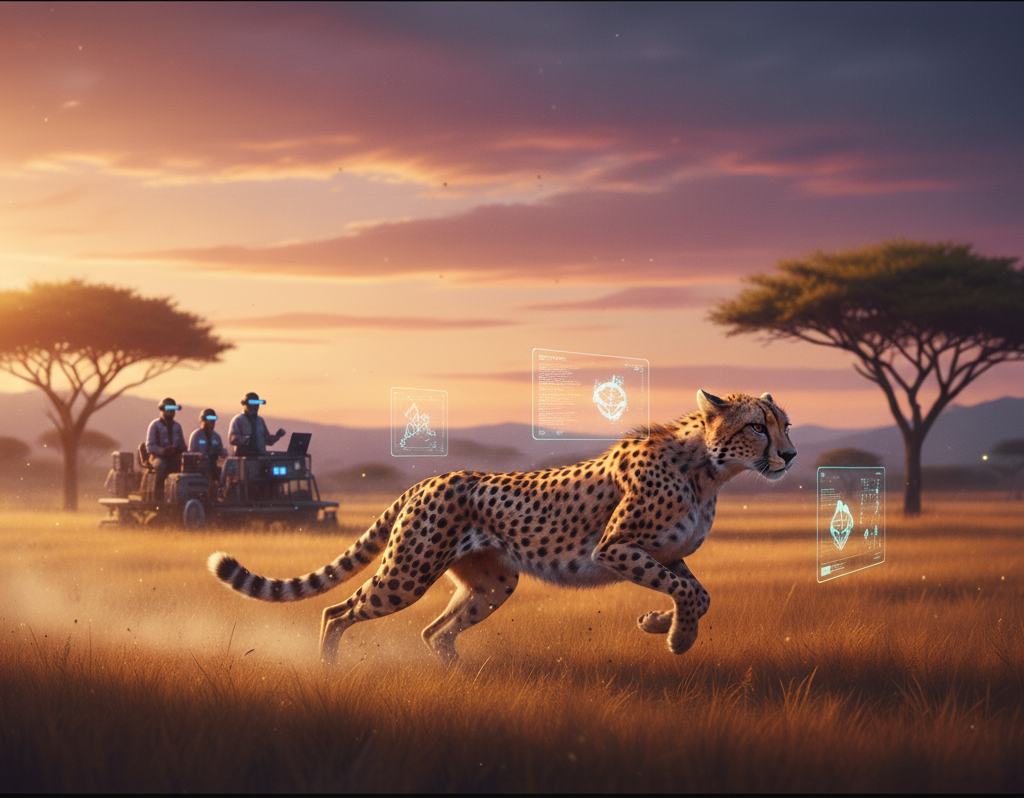
This field is gaining momentum. For example, after Colossal’s success, Indian researchers announced plans to bring back the extinct Indian cheetah (declared gone in 1952) using similar methods(timesofindia),(indiatimes.com). The Birbal Sahni Institute and Zoological Survey of India are sequencing cheetah genomes to identify extinct traits(timesofindia),(indiatimes.com). Their plan is to insert “Indian” genes into African cheetahs via surrogacy—mirroring Colossal’s approach(timesofindia),(indiatimes.com). These global efforts are ambitious: they promise a future where extinct animals once again roam their native lands.
My Opinion: These scientific feats show the promise of de-extinction. They can draw public interest (and tourism) to conservation. However, I believe government leadership is crucial. Private firms have incentives, but reviving wildlife should be part of national policy, not just a biotech product. India could leverage its tax-funded research institutions to collaborate on such projects, ensuring transparency and public benefit. This could involve creating a national “de-extinction program” or expanding parks and reserves (for example, extending initiatives like a Vantara-like wildlife sanctuary) that focus on gene-assisted restoration. Such projects should complement, not replace, habitat protection.
Genetic Engineering and Conservation in India
What might these breakthroughs mean for India specifically? India has a rich but threatened wildlife heritage. Several species have been lost in recent history (e.g. the Indian cheetah, pink-headed duck), and others teeter on the brink. Our country already has landmark projects: Project Tiger, Project Elephant, Project Lion, etc., which protect habitats and species. Gene editing could become the next tool in this arsenal.
Consider the Indian cheetah example.(timesofindia.indiatimes.com). If successful, this would resurrect a creature once native to our grasslands. Beyond cheetahs, one could imagine using genetic technology to help the critically endangered Great Indian bustard or even bolster the Asian elephant’s defenses against disease. By sequencing old DNA (from museum specimens or skin samples) and editing genomes of living relatives, scientists can reintroduce lost variation that makes a population more robust(phys.org). For example, genes for disease resistance or climate tolerance from old Indian wolves or elephants might be reinserted into their modern kin.
My Opinion: In my view, the Indian government should actively champion this work nationwide. Our tax-funded science and wildlife departments must cooperate on a grand scale – not just isolated labs. Imagine a national lab or institute dedicated to “de-extinction and genetic rescue,” working with all states and sanctuaries. This wouldn’t be a private startup project, but a public mission. By investing in such research (through agencies like the Department of Biotechnology or DST), India can secure its biodiversity for future generations. It’s also an opportunity for conservation tourism: a gene park exhibiting revived species could draw visitors, whose entry fees support animal shelters and wild habitat maintenance.
Benefits for Biodiversity, Health, and Economy
Reviving extinct or bolstering endangered species yields multiple benefits. Ecologically, it may help restore balance. Gene-edited keystone species could re-start lost ecological processes (e.g. woolly mammoths trampling tundra to slow permafrost melt(takshashila.org.in). More immediately, gene editing can increase genetic diversity in small populations, making them healthier(phys.org). This complements traditional conservation: while we plant trees and protect reserves, biotech can fix what overhunting or habitat loss erased from the gene pool.
For India, there’s a bonus: cutting-edge research. Developing expertise in genomic technologies will spill over into medical research and biotech industries. The same CRISPR tools could advance gene therapies, crop improvements, and disease models. In fact, Beth Shapiro notes it’s our responsibility to reduce extinction risk by leveraging these advances(phys.org). By leading in de-extinction science, India could become a global hub for biotech innovation.
Economically, there are direct gains too. A revived species or conservation park can boost tourism. Visitors paying to see “re-wilded” marshals, cheetahs or mammoth-heritage exhibits would fund conservation efforts. Ticket revenue could support initiatives like shelters for stray cows and dogs, addressing another Indian challenge. In short, genetic conservation projects can be self-sustaining public goods.
Finally, consider resources and lifestyle. Large-scale livestock farming uses tremendous water and land. Our World in Data notes that adopting plant-based diets could cut agricultural land use by up to 75%(ourworldindata.org). Encouraging vegetarian diets (as is already common in many Indian communities) would free water and food supplies currently used for feedlot animals. This helps the 40% of Indians who face food insecurity – less grain would be diverted to cattle, more to people. In my view, linking de-extinction with sustainable living makes sense: saving species and reducing ecological footprints are two sides of the same coin.
Ethical, Practical, and Societal Considerations
These breakthroughs are not without debate. Some experts worry de-extinction is more PR than science – a “genetically modified wolf” rather than a true dire wolf(sify.com). Others caution about unforeseen ecosystem impacts: an extinct species may not fit into today’s environment, or could carry ancient pathogens. The Phys.org perspective emphasizes careful trials and ethical review(phys.org). Indeed, we must remember gene editing is experimental, requiring long-term monitoring and strong oversight. It cannot replace on-the-ground conservation like anti-poaching patrols or habitat restoration.
Cost is another issue. Gene projects are expensive, funded by venture capital and wealthy donors in the West. My perspective is that this expense should not divert funds from critical conservation needs here in India. Government involvement can ensure budgets are used wisely. For example, by merging gene rescue into existing wildlife budgets, India can avoid duplication and ensure local communities benefit (jobs in new biotech centers, education, etc.).
Socially, public opinion matters. People who eat meat or oppose “tampering with nature” may fear or resist these programs. It will be vital to communicate why we do it: to undo past human-caused extinctions and prevent further loss. Inserting a personal touch, I feel that preserving our natural heritage – be it the roar of a revived tiger or the speed of an Indian cheetah on the run – is a duty to future generations. By engaging communities (through education, participatory programs, and perhaps ecotourism), India can build support for these novel approaches.
Conclusion and Call to Action
In summary, genetic engineering offers unprecedented tools for wildlife conservation. By reviving extinct species or strengthening endangered ones, we can enrich India’s biodiversity and open new frontiers in science. Key points:
- De-extinction success: Recent projects (dire wolves, mammoth traits in mice) prove gene editing can recreate lost species(sify.com),(indiatoday.in).
- India’s opportunity: Indian scientists plan to bring back the cheetah(timesofindia),(indiatimes.com), and similar techniques could apply to other native fauna.
- Conservation boost: Gene editing can restore genetic diversity and ecosystem balance(phys.orgphys.org), complementing traditional methods.
- Economic & social gains: New research spinoffs, tourism revenue, and resource savings (e.g. via plant-based diets) align with national interests(ourworldindata.org).
- Responsible approach: Such work must be government-led, ethically reviewed, and integrated with habitat protection.
My Final Opinion/Call to Action: Genetic revival of wildlife is more than a cool idea – it’s a chance to correct historical wrongs and secure India’s natural legacy. However, we must do it thoughtfully and publicly. The government, which collects taxes for national welfare, should spearhead a comprehensive program that includes research centers, protected reserves, and education initiatives. By linking de-extinction projects with existing efforts (e.g. creating a dedicated de-extinction initiative), India can turn cutting-edge science into a public good. At the same time, we should encourage sustainable practices (like vegetarian diets) that free up resources for both people and wildlife. Ultimately, supporting genetic conservation is supporting our future – giving coming generations the chance to experience the full richness of India’s animal heritage.







66b là nền tảng cá cược trực tuyến được nhiều người chơi Việt Nam tin tưởng nhờ hệ thống link truy cập ổn định, không chặn và bảo mật cao. Giao diện được tối ưu cho cả mobile lẫn PC, tốc độ tải nhanh, dễ thao tác, phù hợp cho cả người mới lẫn bet thủ lâu năm. TONY03-23O