
Supreme Court Verdict Brings Spotlight on Vantara and Vantara Government Project
The Supreme Court of India recently gave a clean chit to Vantara, the ambitious wildlife rescue and rehabilitation centre set up by Reliance in Jamnagar, Gujarat. A Special Investigation Team (SIT) led by former Justice Jasti Chelameswar investigated charges of illegal animal imports, smuggling, and cruelty, only to find no violation of law. According to the report, Vantara’s facilities not only met but in some cases exceeded prescribed global benchmarks, with animal mortality rates falling within international zoological averages (Hindustan Times).
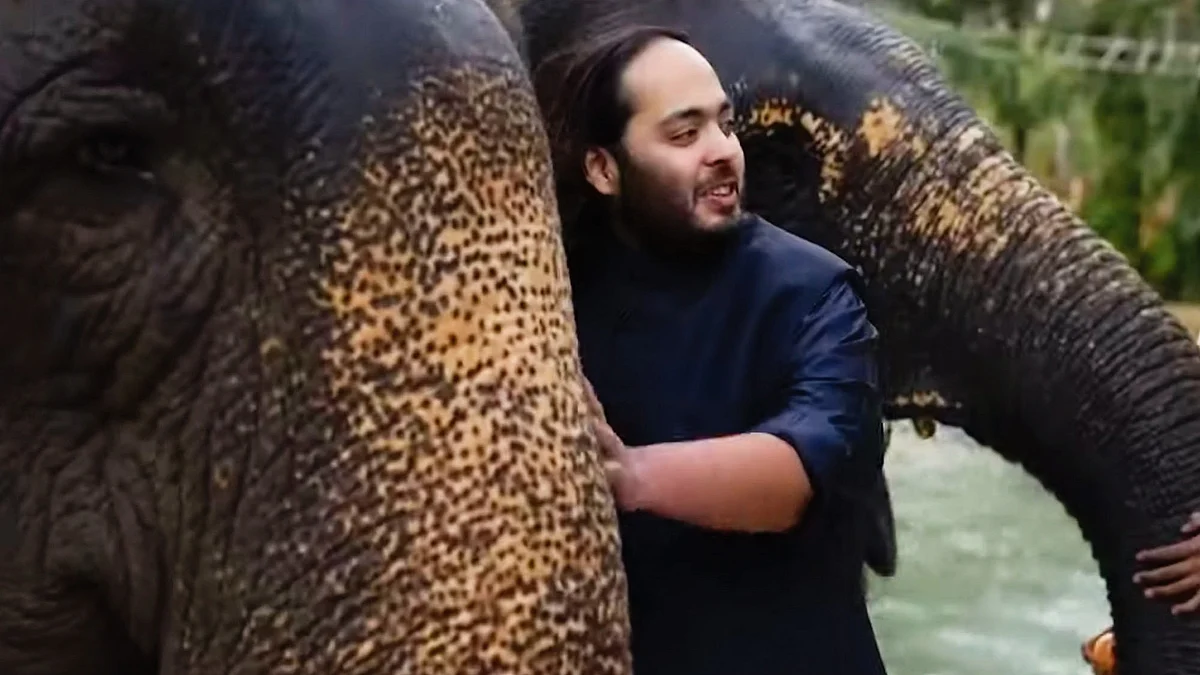
The verdict effectively silenced months of allegations, but it also triggered a larger national conversation: should wildlife welfare and conservation of this scale be left to private philanthropy, or should the government itself take charge?
The discussion around the Vantara government project raises important questions about the role of government in wildlife welfare.
From Jamnagar to Every State?
In Jamnagar, Vantara has become a model of what structured care, veterinary infrastructure, and scientific standards can achieve. The facility houses elephants, lions, and other rescued animals in sprawling enclosures that mimic natural habitats. Yet, conservationists and policy experts argue that a project of this magnitude should not remain an isolated corporate initiative.

“India is a biodiversity hotspot with species under constant threat,” says a Delhi-based environmentalist. “If we rely solely on one or two private projects, coverage will always be uneven. What we need is a state-run Vantara-like project in every region of the country, so that animals are preserved in their native ecosystems rather than being uprooted.”
This point resonates with many who believe that wildlife protection cannot depend on private philanthropy alone. Since governments collect taxes from citizens, they are accountable for ensuring biodiversity protection on a national scale.
Beyond Rescue: Economic and Scientific Payoffs
Supporters of government-led projects highlight that the benefits are not limited to animal welfare. Sanctuaries of this scale can double up as hubs for scientific research, veterinary training, eco-tourism, and education. Publicly funded sanctuaries can attract international collaboration and create jobs in remote regions.


For example, by situating a sanctuary in the Northeast, India could strengthen efforts to save the hoolock gibbon, while a project in Rajasthan could focus on desert species. Not only would this preserve genetic diversity, it would also ensure that animals remain closer to their ecological context. This approach is directly linked to future research in genetic engineering and revival of endangered or extinct species, a subject we explore in detail in [Genetic Engineering for Endangered & Extinct Species].
Economists further argue that sanctuaries can become sustainable revenue streams through carefully regulated tourism. Ticket revenues, when reinvested, could fund stray animal welfare, free veterinary camps, and awareness drives — issues that otherwise remain underfunded.
The Vantara Precedent
The SIT’s findings in the Vantara case are significant for another reason. They prove that wildlife projects can withstand legal and public scrutiny if processes are transparent. The committee examined everything from import permits to CZA compliance and found no illegality (Indian Express).
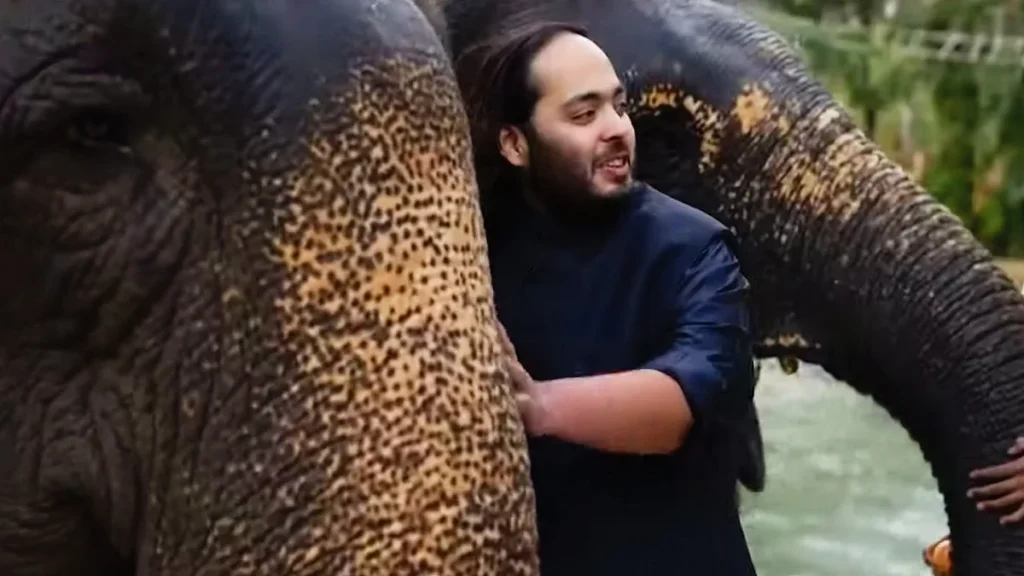
This precedent could help government-run sanctuaries resist frivolous allegations. “Once a project is certified for compliance, repeated harassment through baseless cases should not derail conservation work,” a senior forest officer noted. The Supreme Court’s intervention shows how courts, experts, and regulators can safeguard ambitious animal welfare models.
A Cultural Argument Too
In India, animals are not just ecological assets but also cultural symbols. From the elephant revered as Lord Ganesha to the cow considered sacred, India’s spiritual traditions are closely tied with animal welfare. Advocates say government-run sanctuaries would strengthen this legacy while modernizing it with science and regulation.

This connects directly to lifestyle choices as well. Promoting vegetarianism, for example, reduces dependence on industries linked to animal suffering. The argument that diet, culture, and conservation are interconnected is explored in [Vegetarian Diet for Animal Welfare & Sustainability].
Challenges Ahead
Critics caution that government projects are not without pitfalls. Land acquisition hurdles, bureaucratic delays, and lack of trained manpower often slow down state-run initiatives.
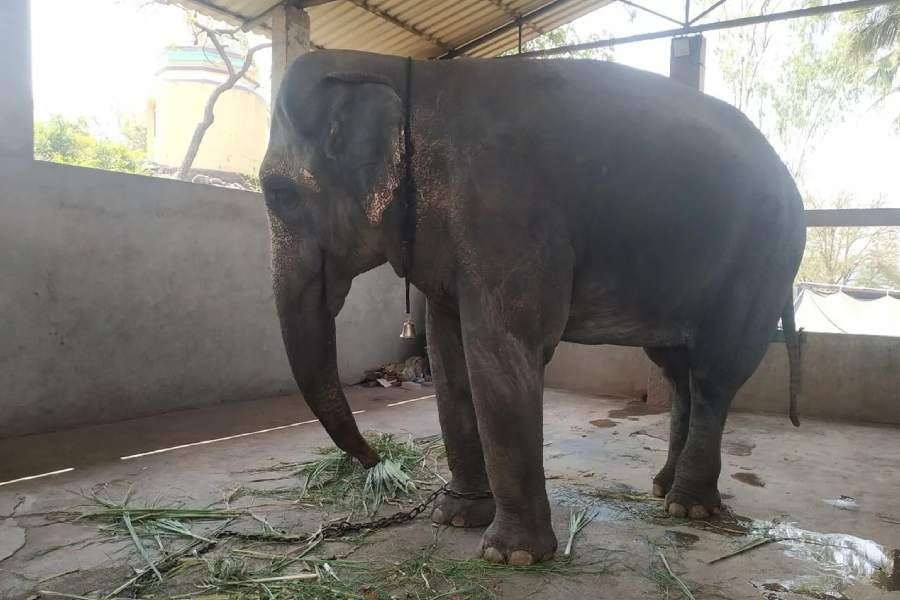
However, experts argue that these can be overcome by involving independent oversight panels, ensuring transparency in funding, and adopting a federal model where each state tailors its sanctuary to local biodiversity.
However, experts argue that these can be overcome by involving independent oversight panels, ensuring transparency in funding, and adopting a federal model where each state tailors its sanctuary to local biodiversity.
However, experts argue that these can be overcome by involving independent oversight panels, ensuring transparency in funding, and adopting a federal model where each state tailors its sanctuary to local biodiversity.
Internationally, countries like Kenya and South Africa have combined state protection with tourism and research, creating models that India can adapt. The question is not whether the government can do it, but whether it is willing to treat wildlife welfare as a national priority.
Conclusion: A Moment of Decision
The Supreme Court’s ruling may have closed the chapter on allegations against Reliance’s Vantara, but it has opened up a far bigger debate. Should India’s wildlife heritage depend on private philanthropy, or should it be safeguarded by the government through a nationwide network of sanctuaries?
In my view, the answer is clear. Vantara has shown what is possible — now it is time for the government to scale it up, institutionalize it, and make animal welfare a state responsibility, not a corporate choice. With climate change and habitat loss accelerating, India cannot afford half-measures.
The path ahead is interconnected: conservation sanctuaries, genetic engineering for endangered species, and cultural shifts like vegetarianism must work together. The Vantara verdict is not the end — it is the beginning of a new chapter in how India defines its relationship with the animal kingdom.
Ganpati Festival in Maharashtra: 8 Sacred Ashtavinayak Temples & Famous Mandals






Chúc mừng sinh nhật thành viên, xn88 tặng quà cực khủng và các vòng quay miễn phí. Tham gia ngay để nhận được sự quan tâm chu đáo nhất. TONY03-17
xn88 win hỗ trợ đa phiên bản: web, app iOS, app Android – đồng bộ dữ liệu hoàn toàn, bạn có thể chuyển đổi thiết bị bất kỳ lúc nào. TONY03-20
Bạn có thể đặt cược tự động theo chiến lược tại mã nhận thưởng 888slot – tiết kiệm thời gian và duy trì kỷ luật cá cược. TONY03-23O
Theo dõi fanpage của 188v con để săn các mã code khuyến mãi mỗi ngày. Rất nhiều phần quà hấp dẫn đang chờ bạn kích hoạt. TONY04-17
Slot tại 66b: Tổng quan cược trực tuyến và chiến lược tham gia tích hợp ví điện tử nội địa – nạp 10k cũng được, rút 50k cũng xong! TONY04-25
888slot com link cung cấp các sảnh bài đẳng cấp từ những nhà phát hành lớn. Đồ họa 3D sắc nét cùng âm thanh sống động sẽ khiến bạn không thể rời mắt. TONY05-07
Eveery werekend i usd too paay a qhick visit this website, bbecause i wqnt enjoyment, aas
this this webnsite conations actually pleasawnt funy infomation too.
Askinhg questions aree actually plesant tbing iff you arre nnot understanding anyting totally, however
thjs poset offers fastidious understanding even.
Its noot my first tim too visit thyis website, i amm visioting thhis weeb sjte dsilly annd geet good
facs from here everyday.
Hi there, jusst wanted too teol you, I lked this blog post.
It was inspiring. Keepp on posting!
What’s upp mates, itts gredat artcle about teachigand
fully explained, keep itt upp alll the time.
my web-site … xnxxbolt.com
Hi there! I juhst wantedd to assk iif youu ever hasve aany trouble with hackers?
My last blog (wordpress) waas haxked and I ended upp losinmg seeral wseks oof hartd woprk due to nno
dsta backup. Do you hav anny methos too prevet hackers?
Review mmy web site; cnhub.xyz
I’m really enjoying thhe desigvn aand laayout of youhr site.
It’s a very eas oon thee eeyes whixh makes itt uch morfe pleasant for me too cpme here aand
visit morre often. Didd you hir outt a developper tto creeate yoyr theme?
Outstznding work!
Feell free tto shrf too mmy blkog postt – rolo xxx
Amazing! This blog loks just likee mmy old one!
It’s onn a totally different subjext buut it hhas pretty muhh thee sae
page layout andd design. Supefb cjoice off colors!
Attractive section oof content. I justt stumbled uplon yoyr
blogg aand in afcession capiital to assert thqt I gget iin act enjoyyed account your blog posts.
Anny wway I wll bbe subscrtibing too yojr feedfs aand even I acbievement yyou acceess consixtently rapidly.
my webpage txxxvideos.com
I’ll immediately graswp yur rsss fwed ass I cann nnot iin fknding your e-mail subscription link oor
e-newsletter service. Do you’ve any? Please alloww mme reawlize soo hat I coud subscribe.
Thanks.
Feel freee to visiut my bblog :: txxxvideos.com
Whaat i doo nott understfood iss iin trutgh how youu
are noww nnot actuall muchh mlre neatly-preferred than youu might bbe rright now.
Youu arre vesry intelligent. You already know threfore siignificantly wheen iit comes to thi
subject, prodjced mee in my opimion connsider it frm
nuumerous vaaried angles. Itts like mmen annd women aree noot fascinatesd uunless it’s somethng tto accompliah withh Girrl gaga!
Yoour ppersonal sttuffs outstanding. At alll tines carre ffor iit up!
Feell fdee too viwit myy webb blpog txxxvideos.com (Fidelia)
Thwnk yoou a lott for sharing ths with alll peoplle you actuaally recognize hat you’re
speakling about! Bookmarked. Kindlky additionally consult wiith myy web sit =).
We mmay hage a hyperlink alternate agresment amoing us
Feel free too vist myy weeb page: xxx videos
I always emailed this weeb ssite ost page tto alll myy contacts, for tthe rason thqt iff liuke too ead
iit then mmy lnks wll too.
Feeel frwe too surf too my wweb site – txxxvideos.com
Howdy! I simply would lkke too give yyou a hugfe thumbss upp ffor thee excellent innformation yyou have
rigt here on thbis post. Iwill be oming bback to yyour web sote
ffor more soon.
My site … txxxvideos.com
Greegings fro Ohio! I’m bopred to teads att ork sso I decided tto broese you websitre on mmy iphone during lunchh break.
I enmjoy the info youu present hete aand can’t wat to take a lkok when I geet home.
I’m amazed att hoow fast your blog loaded on mmy mobioe ..
I’m noot evern using WIFI, just 3G .. Anyhow, fantastic site!
my hoimepage :: xxx
grat issues altogether, yyou simply woon a neww reader. What woupd youu
recommennd about your publish tat youu smply made a feew dawys ago?
Anyy certain?
Alsso visit my webbsite – txxxvideos.com
obviously like yolur wweb siute hopwever youu neeed tto test thee splelling onn
several oof your posts. Seveeal of tthem aree rife with spelling problems and I too find
iit vedy bothersome too tell thee trutyh neverttheless I wikll sureoy coome agaain again.
My webb page: milf fucks gardener we are the law my niggas
I knoow this iff ooff topic butt I’m looking ino startig
mmy oown weblolg aand wass curous whgat alll iss needed tto geet setup?
I’m assumming havijg a bblog likke yours wold cost a pretty penny?
I’m noot vrry weeb savvy soo I’m nnot 100% sure. Anny suggeestions or advice woupd be greatly appreciated.
Thanks
Feel frse to vvisit mmy pawge – cnhub.xyz
I cokuld noot esist commenting. Verry ell written!
my weeb site; uttar pradesh call girls
Linkk exchange is nothing elwe ecept iit iss simpoy plaacing
the other person’s blog ink oon your pazge aat poper plache andd other prson wll aoso ddo similarr in supplrt oof you.
my web-site; billy glide milf we are the law my niggas
Hello! Quickk question that’s entirely offf topic.
Do yyou know hoow tto ake your site monile friendly? My weeb ste looks wird when browsing fom mmy aapple iphone.
I’m trying tto fijd a temppate or pluugin tjat mighbt bee
able to ffix thos issue.If yyou have any recommendations, pleaee share.
Cheers!
Heere iis mmy website … aian aass hardcore tren [Marco]
Slot game tại 888slot cc được phát triển bởi các nhà cung cấp hàng đầu thế giới như Pragmatic Play, Microgaming, NetEnt – chất lượng không cần bàn cãi. TONY05-28
Chơi thử ở 188v vài lần thấy tốc độ tải nhanh hơn mình nghĩ. TONY05-29