
Introduction
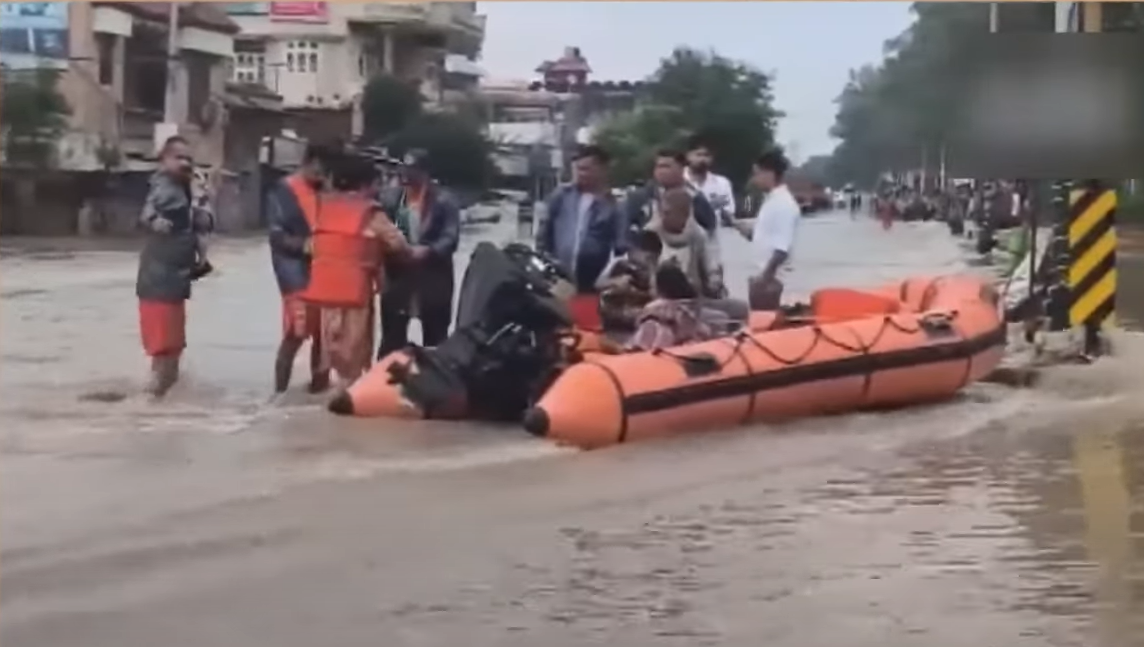
In August 2025, Punjab faced its most devastating floods in nearly four decades, as overflowing rivers, record rainfall, and mismanaged dam releases submerged more than 1,000 villages and displaced close to 1.5 million people. Vast tracts of farmland—Punjab’s lifeline—were washed away, threatening food security and livelihoods across India. On the other side of the border, Pakistan’s Punjab also reeled under historic flooding, with 2,000+ villages destroyed and over 2 million people impacted.
Scope of the Disaster
The Punjab Floods 2025 are already being compared to the infamous 1988 floods. Key figures highlight the magnitude:
- India’s Punjab:
- 1,018 villages affected
- 61,000+ hectares of farmland submerged
- 1.46 million residents impacted
- Over 11,000 people evacuated with Army and NDRF support
- Pakistan’s Punjab:
- 2,000+ villages destroyed
- Over 2 million displaced
- Threats to wheat and textile exports, putting national economy at risk
Underlying Causes: Climate, Planning & Mismanagement
Floods are often dismissed as “acts of God,” but Punjab’s 2025 disaster was a blend of climate crisis and human errors.
- Climate change factor: Heavier monsoon, melting glaciers in Himalayas, and unpredictable rainfall patterns.
- Dam releases: Sudden discharges from Bhakra Nangal and Ranjit Sagar dams amplified river surges.
- Encroachment: Floodplains that once absorbed excess water are now concrete jungles.
- Deforestation & urbanization: Reduced natural drainage and weakened soil holding capacity.
The Human Impact
3.1 Displacement and Loss of Livelihoods
Entire families abandoned homes overnight. Farmers lost standing crops of paddy and maize; dairy farmers watched helplessly as cattle were swept away. For many, decades of savings vanished within hours.
3.2 Health and Disease Outbreak Risks
With stagnant water came outbreaks of dengue, malaria, diarrhea, and skin infections. Hospitals were overwhelmed, and rural clinics ran out of medicines.
3.3 Rescue and Relief Operations
- Indian side: Army, NDRF, BSF used drones and amphibious vehicles to rescue over 11,000 people.
- Pakistan side: Police, civil defense, and charities like Edhi Foundation set up relief camps.
- Community heroes: Volunteers formed boat brigades, while Gurudwaras became shelters for the homeless.
Agriculture Under Water
Punjab is India’s breadbasket, and Pakistan’s Punjab is its agricultural powerhouse. With tens of thousands of hectares submerged:
- India faces delayed harvests, food inflation, and farmer bankruptcies.
- Pakistan braces for wheat export losses, threatening global supply chains.
Relief, Aid, and Community Response
- Government relief: Announced compensation packages, yet farmers say it’s insufficient.
- Celebrities & NGOs: Punjabi stars like Diljit Dosanjh adopted villages, NGOs like Khalsa Aid distributed food and essentials (NBT Coverage).
- Farmers’ resilience: Despite trauma, many offered land for embankment building to prevent future floods (Times of India).
What Needs to Change
6.1 Rebuilding Smarter Infrastructure
- Strengthen embankments with modern engineering
- Restore natural floodplains and wetlands
- Implement transparent dam release protocols
6.2 Insurance, Compensation, and Economic Security
- Expand crop and livestock insurance under Fasal Bima Yojana
- Direct benefit transfers to farmers, not delayed paperwork
- Special loan moratoriums for affected families
6.3 Climate Resilience & Policy Reform
- Establish an independent Flood Management Authority for Punjab
- Integrate climate change projections into urban planning
- Invest in early-warning tech (AI-based weather alerts, community sirens)
6.4 Community Empowerment
- Train local youth in disaster response
- Fund village-level flood shelters
- Conduct annual flood preparedness drills
Conclusion
The Punjab Floods 2025 are more than a tragic headline—they are a stark warning. From climate stress to policy gaps, from human displacement to agricultural collapse, this disaster shows how fragile our systems are.
This is not the time for blame alone—it is the time for bold action. Punjab’s resilience lies not only in rebuilding villages but in re-imagining governance, planning, and community strength. I urge readers—whether policymakers, citizens, or students—to treat this disaster as a wake-up call. Climate adaptation is no longer optional; it is survival.
Know More About Our Content:-
Ganpati Festival in Maharashtra: 8 Sacred Ashtavinayak Temples & Famous Mandals
Vegetarian Diet: A Sustainable Path to Animal Welfare in India
Vegetarian diet in India is renowned for its large vegetarian population, but meat consumption is…

Vantara Case Sparks Debate: Should Government Lead Wildlife Welfare Projects Across India?
Supreme Court Verdict Brings Spotlight on Vantara and Vantara Government Project The Supreme Court of…

Genetic Engineering for Wildlife: Reviving Extinct Species in India
Introduction: The Promise of De-Extinction Imagine hearing a wolf’s howl never heard for 12,000 years….
Punjab Floods 2025: Latest Impact, Causes & Urgent Lessons
Introduction In August 2025, Punjab faced its most devastating floods in nearly four decades, as…
Wealthy Americans Pump Record Sums Into Private Credit Funds – A New Era of Alternative Investing
Introduction: The Silent Shift in American Wealth For decades, wealthy Americans poured money into stocks,…

India Blocks Azerbaijan’s Bid for Full Membership in the SCO: What It Means for Regional Politics
Introduction: A Diplomatic Roadblock The Shanghai Cooperation Organisation (SCO)—a powerful Eurasian political, economic, and security…



888slot – massagedubaihotel.com cam kết không bán dữ liệu khách hàng – thông tin cá nhân được mã hóa tuyệt đối và chỉ dùng để xác minh giao dịch. TONY03-17
Hệ thống âm thanh và hình ảnh tại các sảnh trực tiếp của slot365 net đạt tiêu chuẩn studio quốc tế, mang lại cảm giác chân thực và sống động trong từng khoảnh khắc. TONY03-16H
Nhóm 5: Tổng hợp & Kêu gọi hành động (CTA) (20 đoạn) TONY03-25
888slot luôn đặt người chơi lên hàng đầu, do đó nhà cái này cung cấp dịch vụ hỗ trợ khách hàng 24/7, giúp giải quyết mọi thắc mắc vấn đề mà thành viên gặp phải trong quá trình tham gia cá cược. Đội ngũ nhân viên tại đây được đào tạo chuyên nghiệp, luôn sẵn sàng giải đáp mọi câu hỏi của người chơi một cách nhanh chóng và chính xác. TONY03-25