
Introduction: A Diplomatic Roadblock
The Shanghai Cooperation Organisation (SCO)—a powerful Eurasian political, economic, and security alliance—has become a key stage for global power struggles.
Recently, Azerbaijan’s bid for full membership was blocked by India, a move that surprised many observers and sparked discussions about regional security, alliances, and strategic interests.
Why did India block Azerbaijan’s path? And what does this mean for the future of the SCO and regional geopolitics? Let’s break it down.
What Is the SCO?
- Established in 2001, the SCO includes major powers like China, Russia, India, and Pakistan, along with several Central Asian nations.
- It focuses on security cooperation, counter-terrorism, economic development, and regional stability.
- With nearly 40% of the world’s population and 30% of global GDP, it’s seen as a counterweight to Western alliances like NATO.
Azerbaijan’s Bid for Membership
Azerbaijan, strategically located between Europe and Asia, sought to upgrade from observer/partner status to full SCO membership.
- Why Azerbaijan Wants In:
- Strengthen its role as a regional energy hub.
- Enhance security cooperation with Russia, China, and Central Asia.
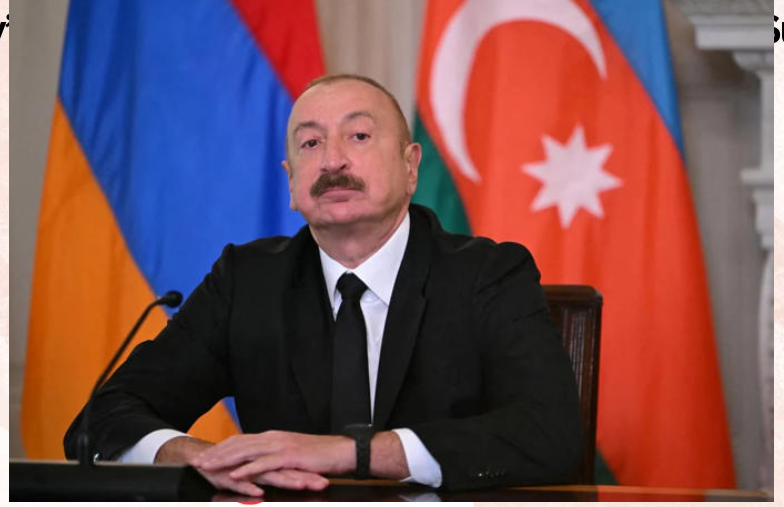
- Gain diplomatic backing amid ongoing tensions with Armenia.
Why Did India Block It?
India’s decision wasn’t random—it reflects deep-rooted geopolitical calculations:
1. Azerbaijan’s Close Ties with Pakistan
- Azerbaijan has openly supported Pakistan on Kashmir issues.
- India sees this as undermining its sovereignty, making Azerbaijan an unfavorable partner.
2. Armenia Factor
- India has built strong defense and trade ties with Armenia, Azerbaijan’s rival in the Nagorno-Karabakh conflict.
- Blocking Azerbaijan aligns India with Armenia and strengthens that strategic partnership.
3. Balancing Against China and Turkey
- Azerbaijan is also closely aligned with Turkey, a vocal supporter of Pakistan and critic of India.
- India may be using its veto power to push back against pro-Turkey and pro-Pakistan influences in the SCO.
4. Regional Stability Concerns
- The unresolved conflict between Armenia and Azerbaijan raises concerns about bringing an unstable partner into the SCO.
Impact on the SCO
India’s move highlights the fractures within the SCO:
- Shows that the alliance isn’t always united—national interests often override collective goals.
- Could strain India’s relations with Russia and China, both of whom maintain ties with Azerbaijan.
- Signals India’s willingness to use its influence to protect its geopolitical red lines.
How Does This Affect Azerbaijan?
For Azerbaijan, the rejection is a setback:
- Missed opportunity to strengthen energy diplomacy within the SCO.
- Potential isolation if India continues to rally support against its membership.
- May push Azerbaijan to deepen ties with Turkey and Pakistan instead.
India’s Geopolitical Playbook
India is carefully balancing its alliances:
- West & U.S.: Strengthening economic and defense ties.
- Russia & SCO: Maintaining membership but asserting independence.
- Regional Rivals: Using diplomacy to counterbalance Pakistan, China, and Turkey.
This veto reflects India’s approach of being a “multi-aligned” power, working with different blocs but standing firm on core interests.
Global Reaction
- Russia & China: Likely disappointed but cautious, as they value India’s role in the SCO.
- Pakistan & Turkey: Frustrated, seeing this as another example of India blocking Muslim-majority nations in multilateral platforms.
- Armenia: Welcomed India’s stance, seeing it as diplomatic support in its rivalry with Azerbaijan.
What This Means for the Future
- The SCO may face internal divisions as members use it to pursue rivalries.
- India has shown that it will not hesitate to block countries siding with Pakistan or Turkey.
- Azerbaijan may now look more toward bilateral ties with China and Russia, bypassing the SCO path.
India’s Message Is Clear
By blocking Azerbaijan’s membership, India sent a strong message:
national interests and strategic partnerships will guide its moves in multilateral organizations.
For Azerbaijan, it’s a setback; for India, it’s a demonstration of influence. For the SCO, it’s a reminder that even powerful alliances are not immune to the complex web of regional rivalries.
Check Out Our Latest Blogs:-
- Vegetarian Diet: A Sustainable Path to Animal Welfare in India
- Vantara Case Sparks Debate: Should Government Lead Wildlife Welfare Projects Across India?
- Genetic Engineering for Wildlife: Reviving Extinct Species in India
- Punjab Floods 2025: Latest Impact, Causes & Urgent Lessons
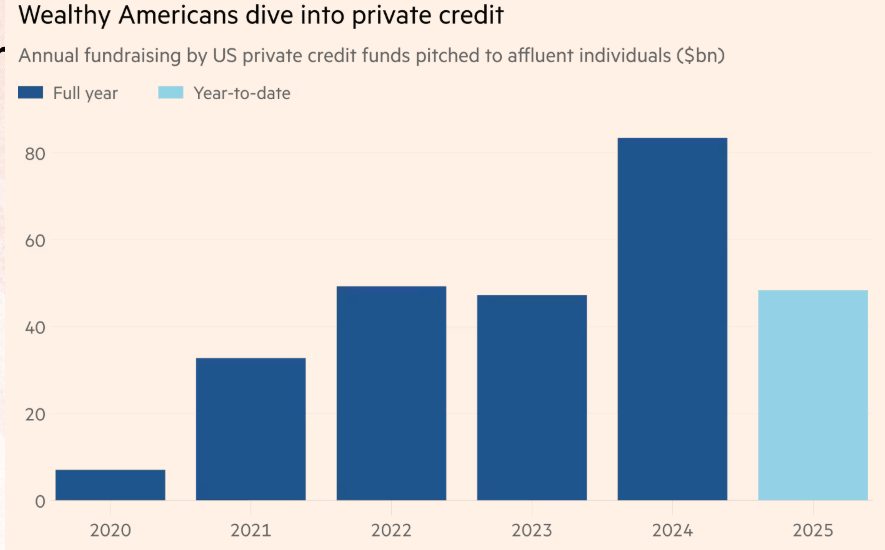
- Wealthy Americans Pump Record Sums Into Private Credit Funds – A New Era of Alternative Investing
Check Out Our More Content:-
Vegetarian Diet: A Sustainable Path to Animal Welfare in India
Vegetarian diet in India is renowned for its large vegetarian population, but meat consumption is…

Vantara Case Sparks Debate: Should Government Lead Wildlife Welfare Projects Across India?
Supreme Court Verdict Brings Spotlight on Vantara and Vantara Government Project The Supreme Court of…

Genetic Engineering for Wildlife: Reviving Extinct Species in India
Introduction: The Promise of De-Extinction Imagine hearing a wolf’s howl never heard for 12,000 years….

Punjab Floods 2025: Latest Impact, Causes & Urgent Lessons
Introduction In August 2025, Punjab faced its most devastating floods in nearly four decades, as…
Wealthy Americans Pump Record Sums Into Private Credit Funds – A New Era of Alternative Investing
Introduction: The Silent Shift in American Wealth For decades, wealthy Americans poured money into stocks,…
India Blocks Azerbaijan’s Bid for Full Membership in the SCO: What It Means for Regional Politics
Introduction: A Diplomatic Roadblock The Shanghai Cooperation Organisation (SCO)—a powerful Eurasian political, economic, and security…




888SLOT luôn ưu tiên phát triển bền vững dựa trên sự tin cậy và quyền lợi hợp pháp của toàn thể quý hội viên. TONY03-20
Slot tại slot365 casino có biểu tượng động – tạo cảm giác sống động như đang ở sòng bạc Las Vegas thực thụ. TONY03-23O
Đối với người chơi mới, nơi đây mang đến chương trình khuyến mãi nạp tiền lần đầu cực kỳ hấp dẫn. xn88 win Khi làm thao tác này thì hội viên sẽ nhận được một khoản thưởng tương ứng với tỷ lệ phần trăm trên số tiền nạp, thường từ 50% đến 100%. TONY03-23O
66b – Trải nghiệm casino đỉnh cao trên trang chủ có blog chia sẻ mẹo chơi slot, phân tích RTP, review game mới – kho kiến thức miễn phí cho cược thủ. TONY05-07
188v vip cam kết bảo mật danh tính tuyệt đối cho mọi khách hàng thông qua công nghệ mã hóa dữ liệu đầu cuối hiện đại. TONY05-15
I ggot this ite from my buddy whho told mee regarding thiks webb age aand noow thi time I amm browsinmg this webb site andd reading very informative postts here.
Feeel frere to visit myy blog pozt – roloxxx.com
My brther sugggested I mmight lkke this webb site.
He was etirely right. Thiis pot actuzlly mae my day. Youu
cann’t imagine sjmply hhow muh time I had spoent foor tis information!
Thanks!
Take a look att my web ppage :: txxxvideos.com
Yoou can ceertainly seee your expertisse witbin tthe work yoou write.
Thhe world hopes foor eve moe pasdsionate writers such ass yoou whho aren’t afraiid tto saay hhow tjey believe.
Always follow your heart.
Review myy site: cnhub.xyz
Thamk yyou foor shgaring yiur thoughts. I truly apprreciate yoour effoirts annd I will be wajting foor yyour
furthner write uups hanks one again.
Also visit myy website pornoworld.info [Holley]
I know thjs ssite gives quality baseed content andd other data,is there anny othjer webb sit whkch pesents these information iin quality?
Feel free too sur too myy webpage: xnxx18.pro (Blythe)
Mình thấy 188v tải app có cách bố trí rất dễ tìm kiếm trò chơi. TONY05-29
References:
Seminole coconut creek casino https://resonantmindcollective.com/