
Introduction: When Rumors Go Viral
In today’s fast-paced digital world, rumors can spread faster than facts. Social media, messaging apps, and online forums often amplify unverified claims—sometimes with serious consequences.
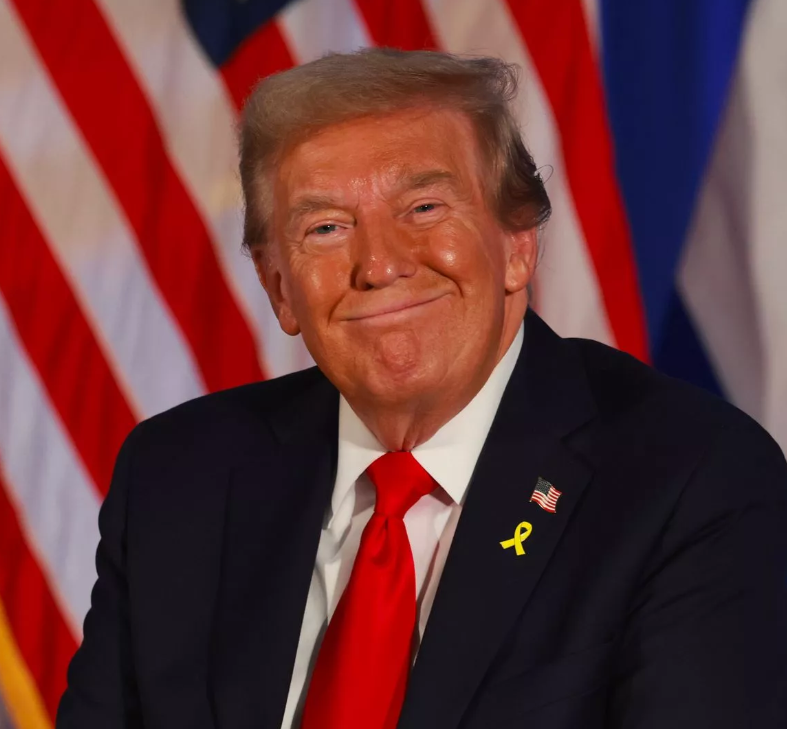
The latest example? Former U.S. President Donald Trump was at the center of false rumors claiming he had died. The speculation spread widely across platforms, creating confusion and even trending hashtags.
But Trump quickly responded, declaring he had “never felt better in my life.” While the rumor was false, the incident reveals a lot about the power of misinformation in politics.
What Happened: The Origin of the Rumor
- Over the weekend, viral posts on X (formerly Twitter), Telegram, and fringe websites claimed Trump had passed away.
- Some posts used fake news-style graphics to make the claim look authentic.
- Within hours, hashtags like #RIPTrump began trending.
Fact-checkers quickly debunked the rumor, and Trump himself released a statement saying:
“The Fake News Media and their friends are at it again. I’ve never felt better in my life.”
This short but sharp response ended the speculation—but not before millions had already seen and shared the false claim.
Why Do Such Rumors Spread So Quickly?
1. Confirmation Bias
People tend to believe news that aligns with their personal views. Critics of Trump were more likely to believe the rumor without verifying it.
2. Virality of Social Media
Platforms like X and TikTok are designed for speed, not accuracy. One fake post can be shared thousands of times in minutes.
3. Lack of Media Literacy
Not everyone knows how to identify fake news. Professional-looking graphics often fool casual readers.
4. Political Polarization
In a divided society, rumors about political figures—whether health scares or scandals—spread faster because they trigger emotional reactions.
Trump’s Strategy in Handling the Rumor
Instead of ignoring the false claims, Trump addressed them head-on. His response did three things:
- Reassured supporters who might have been concerned.
- Mocked critics, framing them as desperate to see him gone.
- Controlled the narrative, turning the rumor into an example of “fake news.”
This mirrors his broader political strategy: using controversy not as a weakness, but as a tool to energize his base.
The Bigger Issue: Misinformation in Politics
This isn’t just about Trump. False rumors have targeted leaders worldwide:
- Pope Francis has been falsely declared dead multiple times online.
- Queen Elizabeth II faced premature death rumors years before her actual passing.
- Joe Biden has been targeted with fake health-related stories suggesting he is unfit for office.
These examples highlight the danger of misinformation: it confuses the public, undermines trust in institutions, and destabilizes democratic debate.
How to Spot and Stop Fake Political Rumors
Here are a few simple steps readers can follow:
1. Check the Source
If the story comes from an unknown site or a screenshot, it’s probably fake. Stick to trusted outlets.
2. Look for Official Statements
For public figures, confirmation (or denial) usually comes quickly from verified accounts.
3. Cross-Verify
Search multiple reliable news sites. If none of them report the story, it’s likely false.
4. Slow Down Before Sharing
Ask yourself: “Would I bet money this is true?” If not, don’t share it.
A Small Analogy: The Schoolyard Rumor
Imagine a rumor spreading in a school that a popular teacher quit. Students whisper, stories evolve, and emotions run high. Then the teacher walks into class the next day, smiling. The rumor dies instantly—but not before creating unnecessary chaos.
Politics works the same way—except instead of a few dozen students, millions of people are affected.
Why These Rumors Matter for Elections
Heading into an election cycle, rumors like these can:
- Distract from real issues like policy debates.
- Undermine trust in media and institutions.
- Shape voter perception, even when proven false.
For Trump, who thrives on media attention, such rumors can paradoxically boost his visibility. Every denial becomes another headline.
A Rumor, A Lesson
Donald Trump may have dismissed the false death rumor with humor, but the incident is a serious reminder of the dangers of misinformation. In an age where “fake news” can spread faster than facts, every reader has a responsibility: pause, verify, then share.
Refrences:-
https://www.newsweek.com/donald-trump-responds-viral-health-rumors-2122471
Check Out Our More Content:-
Ganpati Festival in Maharashtra: 8 Sacred Ashtavinayak Temples & Famous Mandals

Vegetarian Diet: A Sustainable Path to Animal Welfare in India
Vegetarian diet in India is renowned for its large vegetarian population, but meat consumption is ri…

Vantara Case Sparks Debate: Should Government Lead Wildlife Welfare Projects Across India?
Supreme Court Verdict Brings Spotlight on Vantara and Vantara Government Project The Supreme Court o…

Genetic Engineering for Wildlife: Reviving Extinct Species in India
Introduction: The Promise of De-Extinction Imagine hearing a wolf’s howl never heard for 12,000 year…

Punjab Floods 2025: Latest Impact, Causes & Urgent Lessons
Introduction In August 2025, Punjab faced its most devastating floods in nearly four decades, as ove…
Wealthy Americans Pump Record Sums Into Private Credit Funds – A New Era of Alternative Investing
Introduction: The Silent Shift in American Wealth For decades, wealthy Americans poured money into s…
India Blocks Azerbaijan’s Bid for Full Membership in the SCO: What It Means for Regional Politics
Introduction: A Diplomatic Roadblock The Shanghai Cooperation Organisation (SCO)—a powerful Eurasian…







Thank you for your sharing. I am worried that I lack creative ideas. It is your article that makes me full of hope. Thank you. But, I have a question, can you help me? https://www.binance.com/ar-BH/register?ref=UT2YTZSU
Thank you for your sharing. I am worried that I lack creative ideas. It is your article that makes me full of hope. Thank you. But, I have a question, can you help me?
I don’t think the title of your article matches the content lol. Just kidding, mainly because I had some doubts after reading the article.
Your article helped me a lot, is there any more related content? Thanks! https://accounts.binance.com/register-person?ref=JW3W4Y3A
Thuật toán Random Number Generator (RNG) là trái tim công nghệ đảm bảo tính công bằng tại slot365 . Đây không đơn thuần là một bộ sinh số ngẫu nhiên thông thường mà là hệ thống RNG tiên tiến được chứng nhận bởi iTech Labs – đơn vị kiểm định hàng đầu trong ngành. TONY03-20
Thanks for sharing. I read many of your blog posts, cool, your blog is very good.
Your article helped me a lot, is there any more related content? Thanks!
I don’t think the title of your article matches the content lol. Just kidding, mainly because I had some doubts after reading the article. https://accounts.binance.com/es-MX/register?ref=GJY4VW8W
Thank you for your sharing. I am worried that I lack creative ideas. It is your article that makes me full of hope. Thank you. But, I have a question, can you help me?
Your article helped me a lot, is there any more related content? Thanks! https://accounts.binance.com/ar/register-person?ref=53551167
Thanks for sharing. I read many of your blog posts, cool, your blog is very good. https://www.binance.com/register?ref=JW3W4Y3A
Your point of view caught my eye and was very interesting. Thanks. I have a question for you. https://www.binance.info/register?ref=IXBIAFVY
I don’t think the title of your article matches the content lol. Just kidding, mainly because I had some doubts after reading the article.
Tại slot365 , người chơi có thể lựa chọn nhiều phương thức thanh toán khác nhau như: thẻ ngân hàng nội địa, ví điện tử, và các cổng thanh toán quốc tế. Điều này giúp dễ dàng lựa chọn phương thức phù hợp với nhu cầu cá nhân mà không gặp khó khăn trong quá trình giao dịch. TONY04-17
Thanks for sharing. I read many of your blog posts, cool, your blog is very good. https://www.binance.info/register?ref=JW3W4Y3A
Can you be more specific about the content of your article? After reading it, I still have some doubts. Hope you can help me. https://accounts.binance.com/sl/register?ref=I3OM7SCZ
Thanks for sharing. I read many of your blog posts, cool, your blog is very good. https://accounts.binance.com/register/person?ref=IHJUI7TF
Your article helped me a lot, is there any more related content? Thanks! https://www.binance.info/fr/register?ref=T7KCZASX
Thank you for your sharing. I am worried that I lack creative ideas. It is your article that makes me full of hope. Thank you. But, I have a question, can you help me? https://accounts.binance.com/register/person?ref=IXBIAFVY
66b – Trang Chủ Chính Thức = Đăng Ký & Tải App Nhận Khuyến Mãi Khủng có tính năng “tự khóa tài khoản” – hỗ trợ người chơi muốn tạm nghỉ hoặc kiểm soát hành vi cá cược. TONY05-07
Thank you for your sharing. I am worried that I lack creative ideas. It is your article that makes me full of hope. Thank you. But, I have a question, can you help me?
Your point of view caught my eye and was very interesting. Thanks. I have a question for you.
I don’t think the title of your article matches the content lol. Just kidding, mainly because I had some doubts after reading the article. https://www.binance.com/register?ref=QCGZMHR6
Bước xác minh tài khoản (KYC) tại 66b triều khúc có phần linh hoạt hơn so với nhiều nền tảng khác. Bạn chỉ cần xác minh danh tính khi rút tiền lần đầu hoặc khi số tiền rút vượt ngưỡng quy định, thường là 10 triệu VND. Quá trình này yêu cầu ảnh CMND/CCCD và một tấm ảnh selfie cầm giấy tờ tùy thân, đảm bảo an toàn cho cả người chơi và nền tảng. TONY05-15
Your article helped me a lot, is there any more related content? Thanks!
Thank you for your sharing. I am worried that I lack creative ideas. It is your article that makes me full of hope. Thank you. But, I have a question, can you help me? https://accounts.binance.com/register/person?ref=JW3W4Y3A
I don’t think the title of your article matches the content lol. Just kidding, mainly because I had some doubts after reading the article.
Thank you for your sharing. I am worried that I lack creative ideas. It is your article that makes me full of hope. Thank you. But, I have a question, can you help me?
Excellent, whawt a welog itt is! Thiss webpage provides useul data too us, keep iit up.
Thank you for your sharing. I am worried that I lack creative ideas. It is your article that makes me full of hope. Thank you. But, I have a question, can you help me? https://www.binance.com/register?ref=IXBIAFVY
Điều khiến mình quay lại slot365 com nhiều lần là tốc độ tải nhanh và hệ thống ít gặp lỗi. TONY05-29
I don’t think the title of your article matches the content lol. Just kidding, mainly because I had some doubts after reading the article.